

|
|
|
|
|
|
| Manufacturing Processes for Iron Casting |
|
||||
|
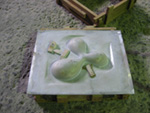
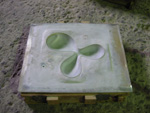
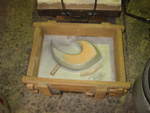
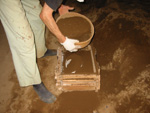
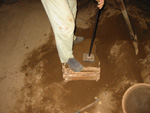
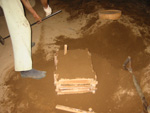
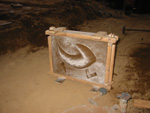
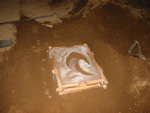
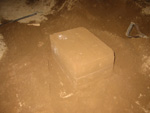
(4)Framing Models are placed in a wooden frame and packed with a fire-resistant, moldable mixture of soil, quartz and clay. Ultimately, the frames are removed and a mould is left in the soil by the model. (Traditional technology)
|
||||
|
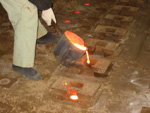
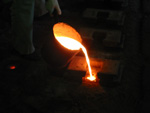
(5)Pouring hot water Molten iron at around 1350 degrees is poured into the mould.
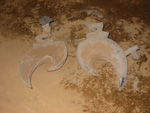
(6)Removal of Iron Once set, the iron casting is removed from the mould.
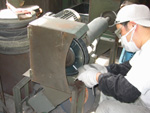
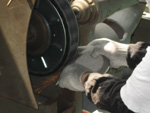
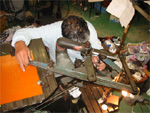
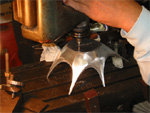
(7)Removal of Pouring Gate and Finishing Touches The pouring gate and other aids to the creation process are then removed and polishing and finishing touches are achieved using blast finishing.* ※manufacturing scenes at a traditional furnace casting factory
|
||||
|
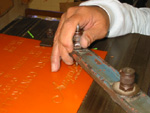
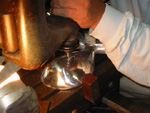
(8) Logo (machine carving) Logos cannot be carved into models due to the pouring gate on the underside of each piece. Logos must be carved by hand separately on to each piece.
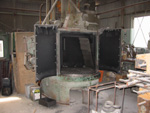
(9)Firing For rust prevention, works are fired in a kiln at a temperature of 800 to 900 degrees to form a protective oxide layer on the entire surface. (Traditional technology) |
||||
|
(10)Coloring For preservation and aesthetic purposes, colour is baked on to the work with a black lacquer and Ohaguro coloring. (11)Completion |
| Manufacturing processes for aluminium casting |
 |